
HAMAMAS MERI
Happy Women. Strong Communities. Led From Within.
Hamamas Meri means “happy women” in Tok Pisin.
But it means something else too.
It means women in remote PNG communities identifying a problem, owning the solution, and building something that outlasts any outside programme. It means grassroots change — quiet, practical, and real.
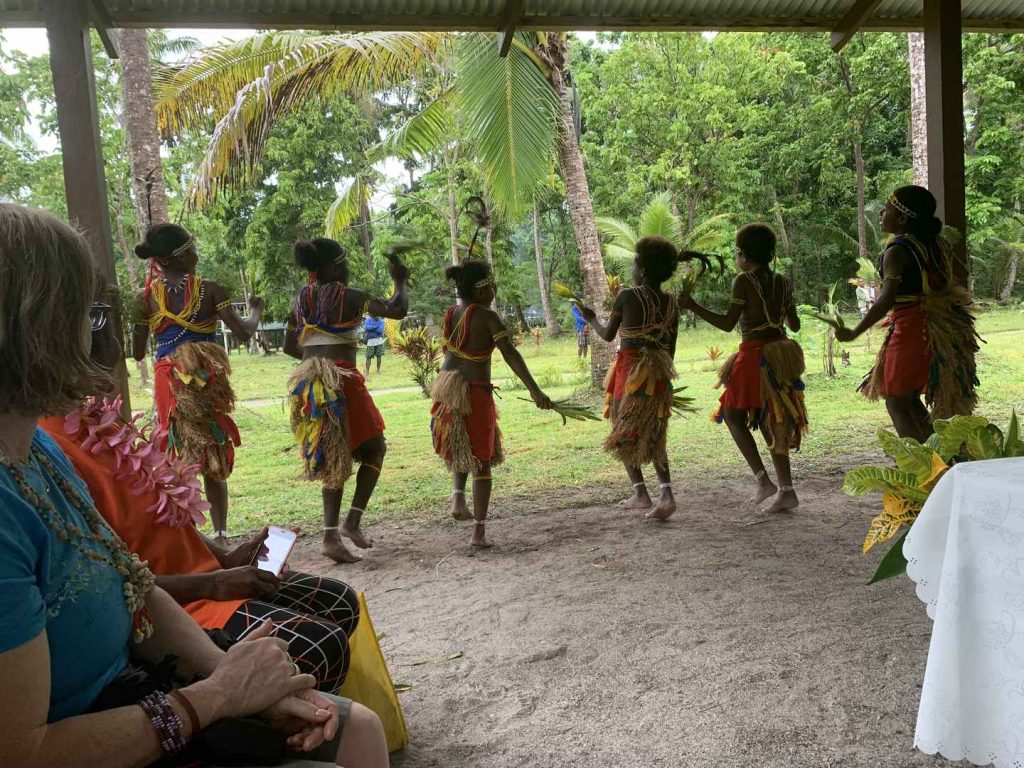
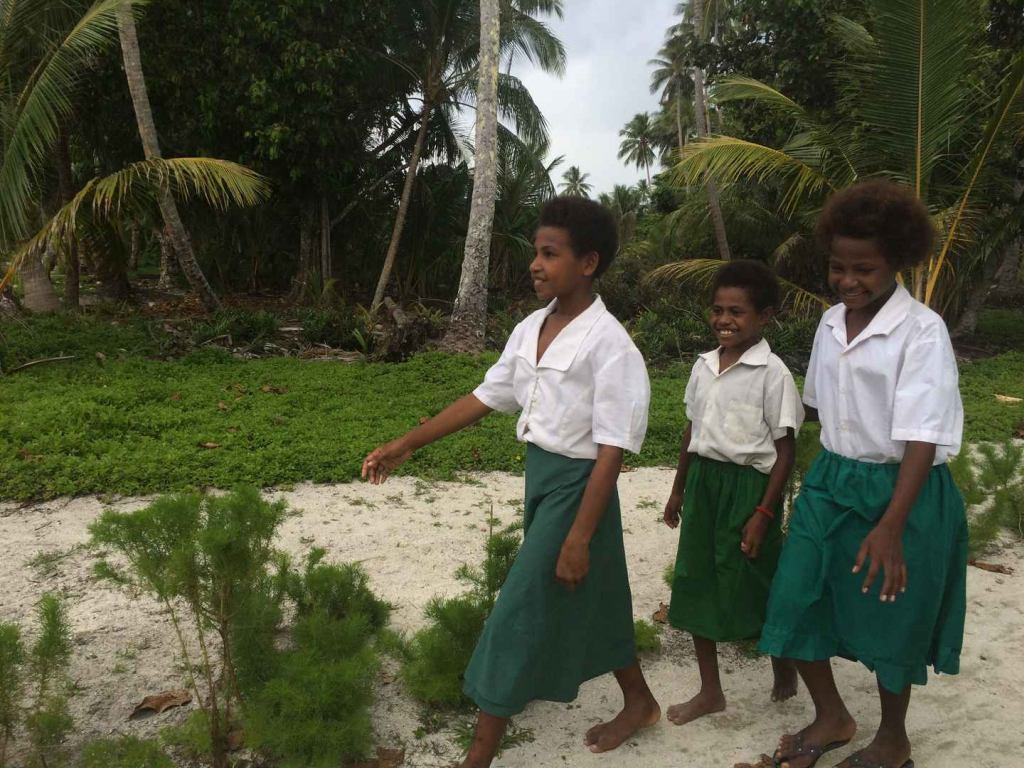
THE PROBLEM NO ONE TALKS ABOUT
Menstruation affects half the population of PNG. It shapes whether girls go to school, whether women participate in community life, whether families thrive.
And it’s still taboo.
In remote Manus Province, store-bought sanitary products are unaffordable, inaccessible, and routinely treated as a luxury — the last item on the list after every other family need is met. When toilet paper, rags and newspaper are the only options, girls stay home. They miss school. They fall behind. The ripple effect reaches entire communities.
This is not a small problem. It is a hidden one.
And the women of Manus Province have known it long before anyone from the outside thought to ask.
WE DIDN’T ARRIVE WITH ANSWERS
Wantaim PNG has worked in Manus Province since 2007. In that time we’ve learned one thing above all others:
The most powerful solutions come from within.
We don’t parachute in with programmes designed elsewhere and delivered top-down. We sit alongside local women’s groups and community leaders — people who carry the lived experience of these challenges — and we ask: what would help, and how do we build it together?
Hamamas Meri was born from exactly those conversations.
THE SOLUTION MANUS WOMEN BUILT
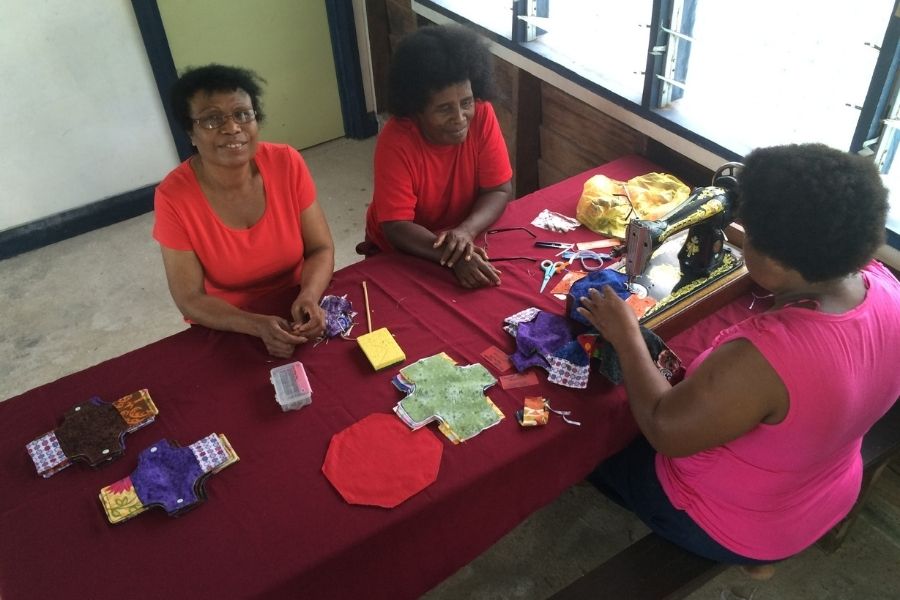
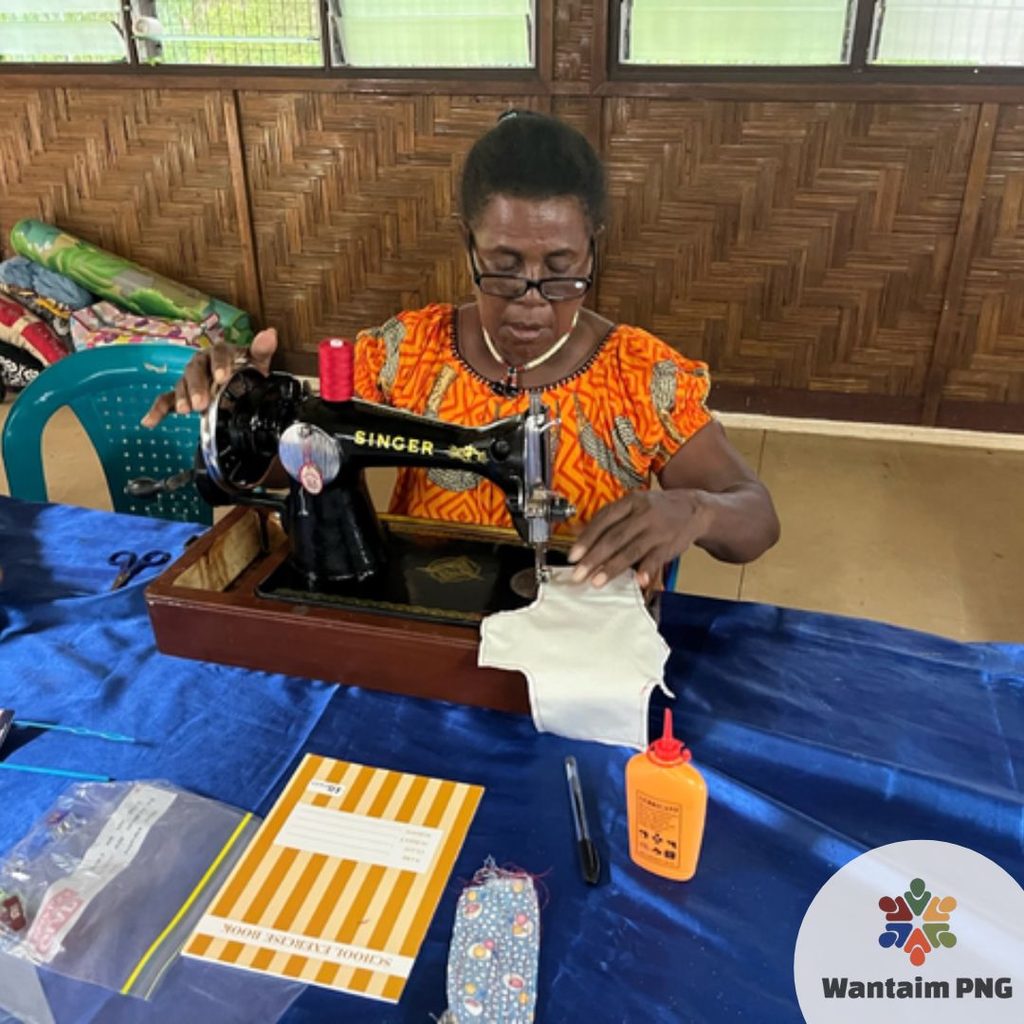
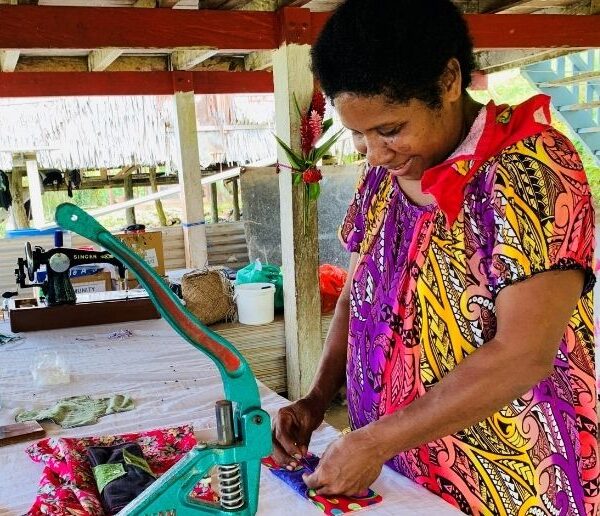
A common model in this space is kits sewn by volunteer groups overseas and shipped to developing countries. We started with a similar product, but our engagement with local women led somewhere different: production had to happen in Manus, by Manus women, so the skills, the income and the ongoing capability stayed here — not dependent on kits arriving from overseas.
No outside experts. No dependency. No programme that collapses the moment Wantaim PNG steps back.
THE MANUS APPROACH
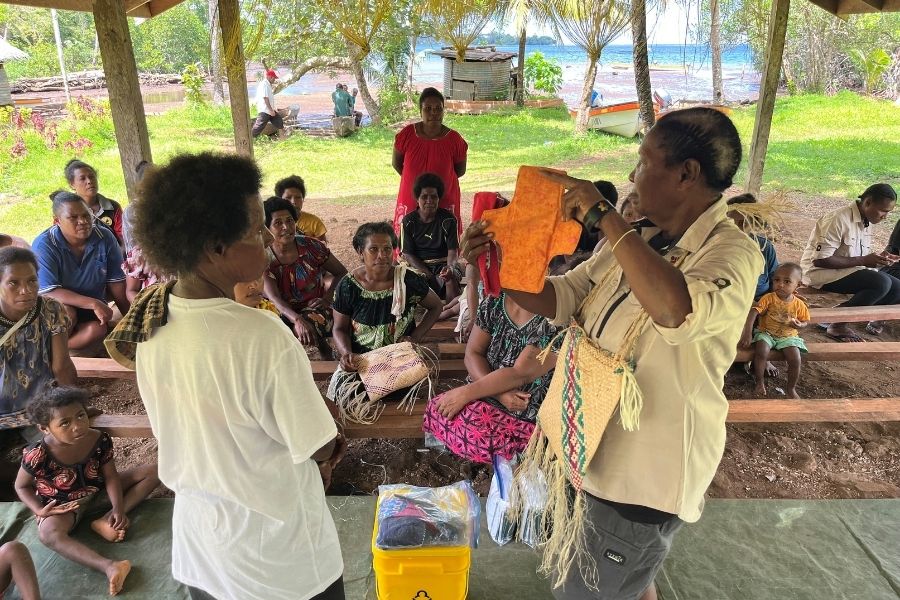
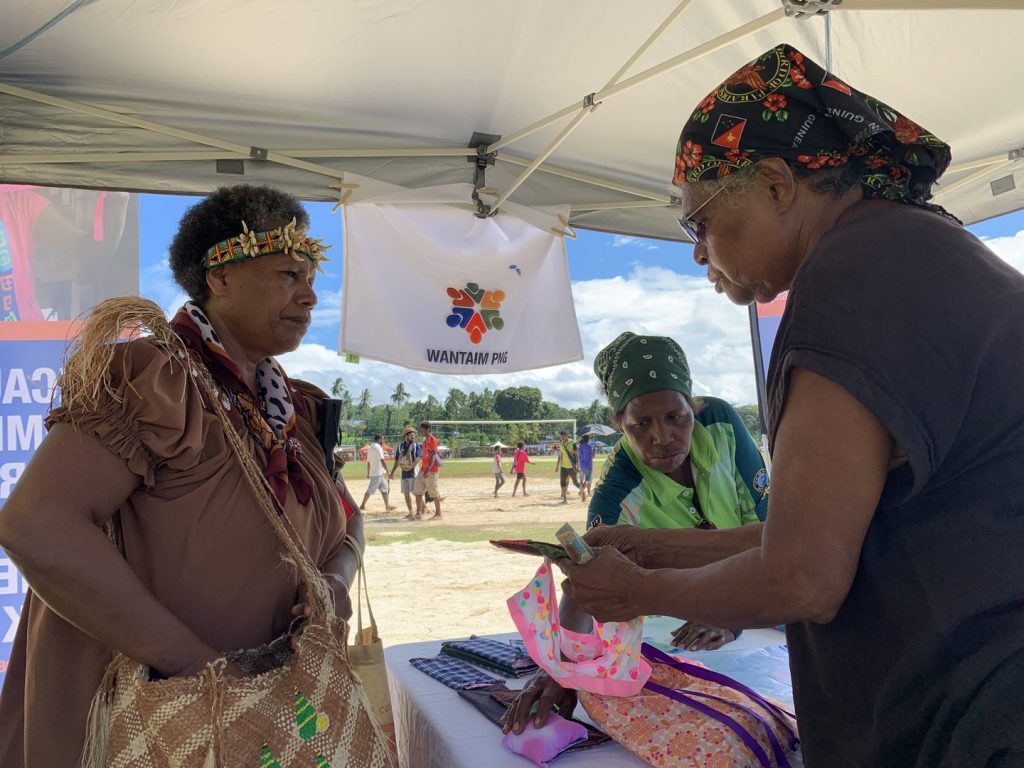
Working alongside existing village women’s groups — women who already hold trust within their communities and already want change — the programme provides training across three areas:
- Production — making reusable, affordable sanitary kits
- Hygiene education — building knowledge and breaking down stigma
- Marketing — selling kits within their community and generating income
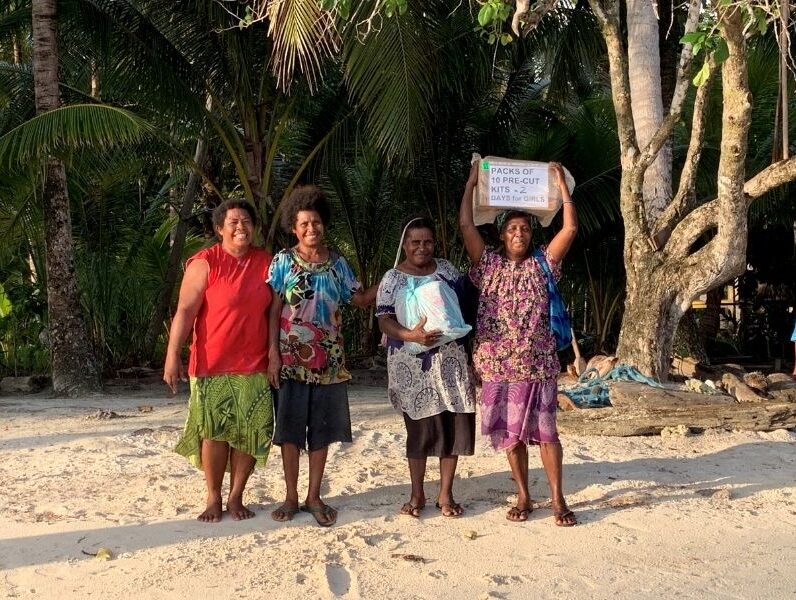
Women don’t just solve the problem for themselves. They learn a new skill. They train others. They become the people their community turns to.
What started with hands-on support from a Sydney Rotary group — who raised funds and cut materials in the programme’s early years — has grown into exactly that: a programme run entirely by women in Manus, from training through to production.
Just women leading women. From the inside out.
WHAT HAPPENS NEXT IS THE POINT
When women lead their own solutions, the impact doesn’t stop at sanitary products. Girls stay in school. Incomes grow. Women’s standing in community life strengthens. Confidence builds. And the women who started as participants become trainers — extending the reach of the programme into communities we have never directly touched.
This is what grassroots change looks like. It happens in community halls and under trees and around sewing machines — led by women who decided that enough was enough.
Hamamas Meri contributes to 10 of the 17 UN Sustainable Development Goals — including education, gender equality, economic empowerment, and community wellbeing. Not because it was designed around a framework, but because when you back women to lead, the outcomes are that broad.
NOT CHARITY. PARTNERSHIP
As at June 2026:
- 2,352 people reached with menstrual and sexual health awareness training
- 54 women trained in kit sewing
- 179 women engaged in kit sewing and assembly
- 170 women trained in sewing machine maintenance
- 40+ communities reached across Manus Province
- Reusable sanitary kits produced and sold
- A growing network of locally led trainers carrying the programme forward
Since 2017, still running. Still growing. Still led by the women who built it.
BACK WOMEN WHO ARE ALREADY LEADING
Manus Women are the heros of this story.
We provided training, resources, and a framework. They provided the knowledge, the trust, the leadership, and the will to make it work. In community after community, women who had every reason to wait for someone else to fix this decided not to.
That’s not a programme outcome. That’s who these women are.
Our job is simply to back them.
If you are able to donate, your funding will provide training, materials, and the conditions for the next community of women ready to build their own solution.
Not Charity. Partnership.