GUDPELA SINDAUN
A scalable, community-led WASH (Water, Sanitation and Hygiene) initiative
Because the 85% of PNG without access to safe toilets can’t wait any longer
THE CHALLENGE
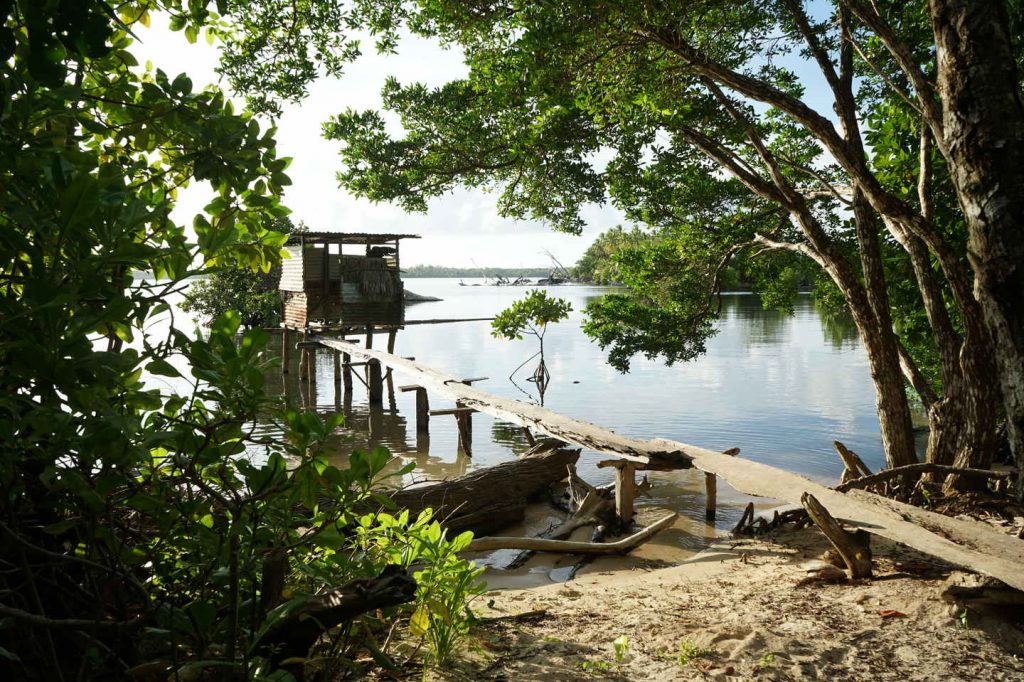
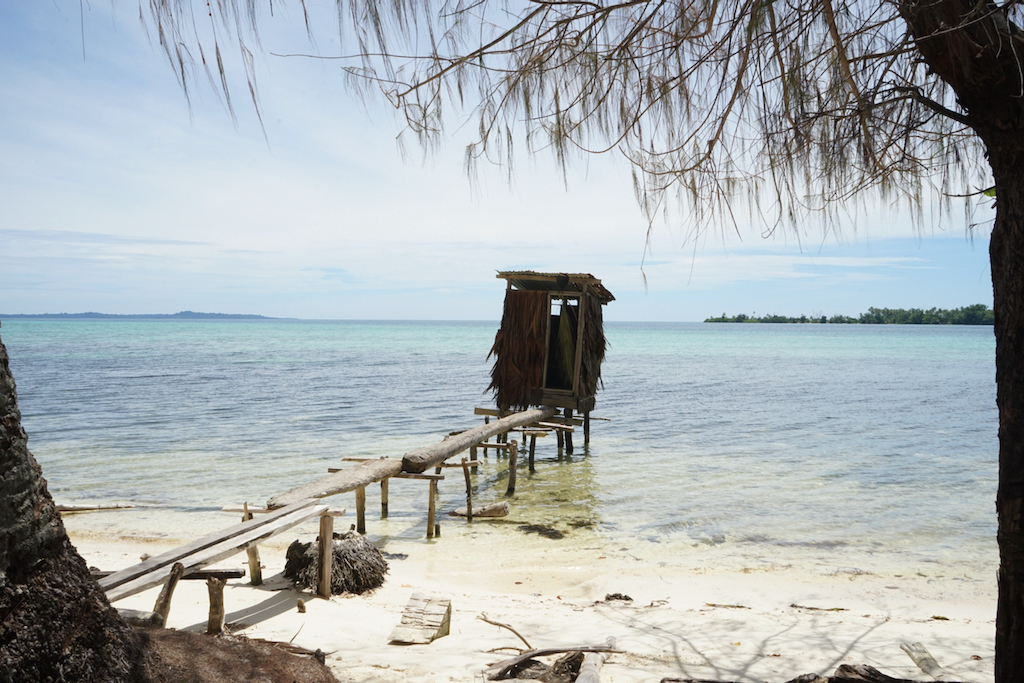
In Australia — just 4kms from PNG at the closest point — it’s difficult to understand that an estimated 85% of people in PNG still defecate directly into their local environment. It’s a major reason PNG ranks among the worst in the world for access to safe sanitation, and it drives persistently poor health outcomes — typhoid, cholera, polio, stunting, malnutrition and child mortality.
The link between sanitation and health is well understood. But safe toilets aren’t being built fast enough in PNG to keep up with population growth, and conditions have worsened over the past two decades.
THE PROGRAMME
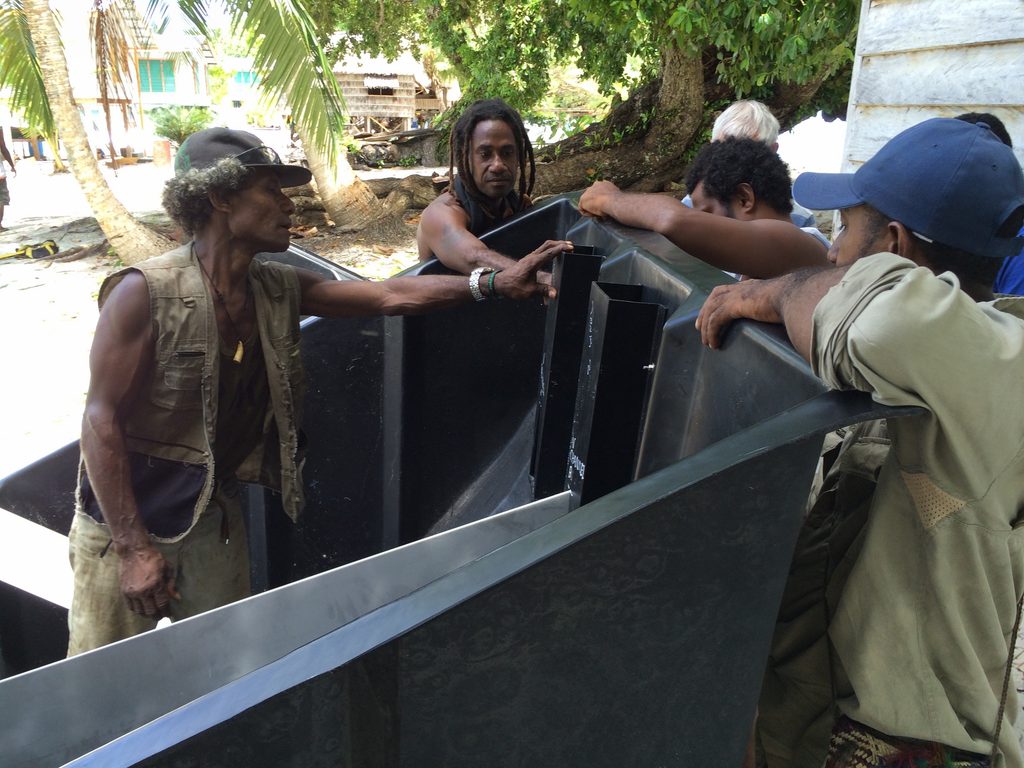
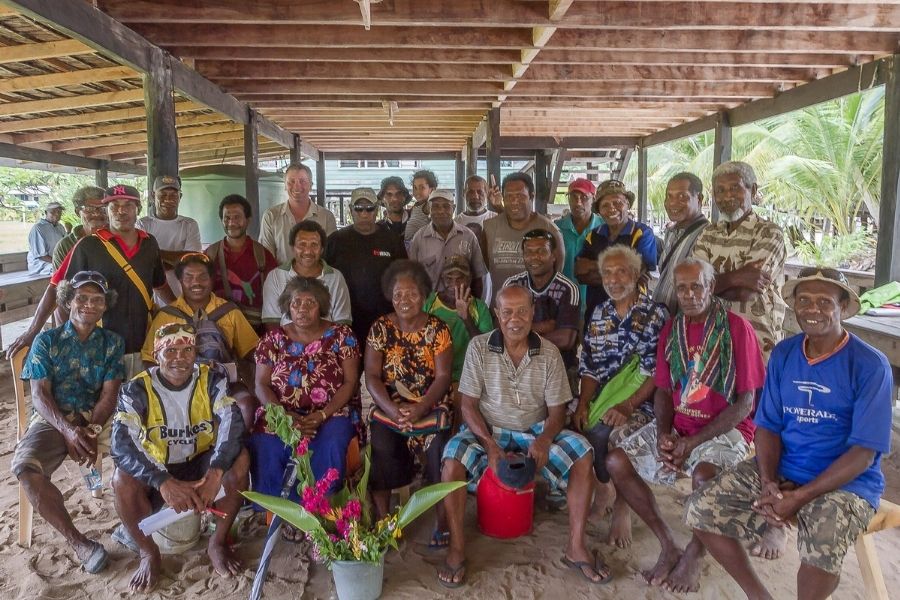
Gudpela Sindaun engages entire communities to build local ownership: men in construction, women in catering and support. Young men work alongside elders, learning traditional skills like weaving and bamboo sourcing alongside carpentry and plumbing — a train-the-trainer model that lets the programme scale by engaging many communities at once, not one at a time.
This also does something else: it gives young men a pathway to employment and a reason to stay engaged, addressing one of the underlying drivers of social and law-and-order issues in rural PNG.
Gudpela Sindaun means “the good sit-down” in Tok Pisin — the good life. It’s central to why Wantaim PNG exists: helping rural PNG communities thrive.
IMPACT
Through this approach, Gudpela Sindaun contributes to 16 of the UN’s 17 Sustainable Development Goals.
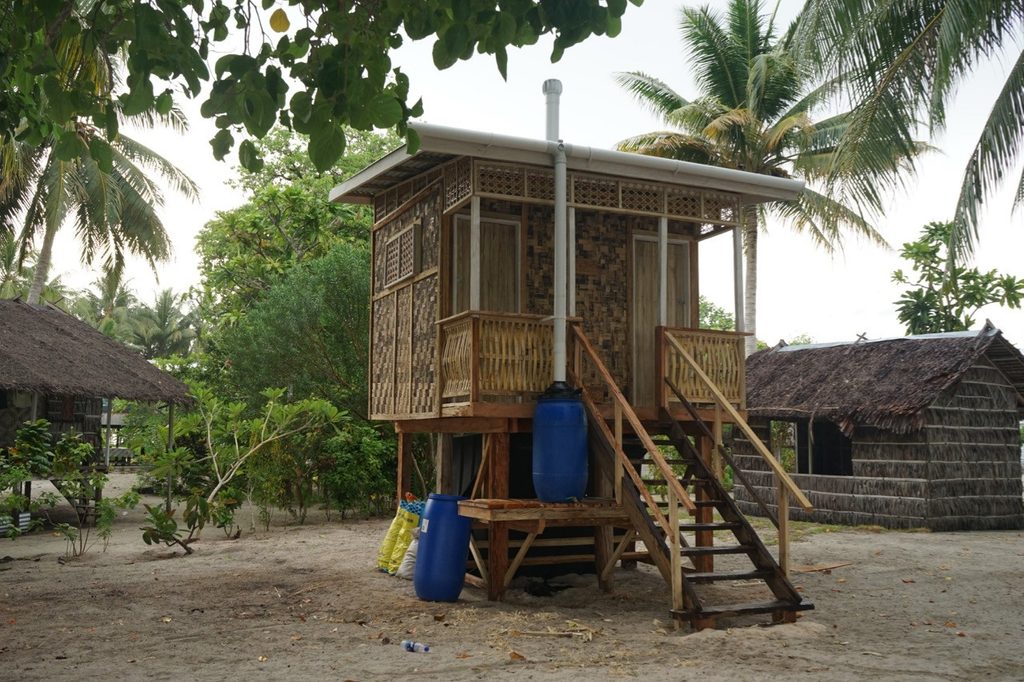
Safe sanitation facilities have now been delivered to 400 people across 5 communities.
PASSING ON SKILLS
With community elders leading teams of youth and passing on traditional and western skills, it’s at once a story of hope and a celebration of tradition and culture.
A 2018 documentary, Liklik Haus Kamapim Bigpela Senis (“Little House Brings Big Change”), featured on NBC PNG’s A Current Affair on World Toilet Day, documents the community discussions that led to this pilot.